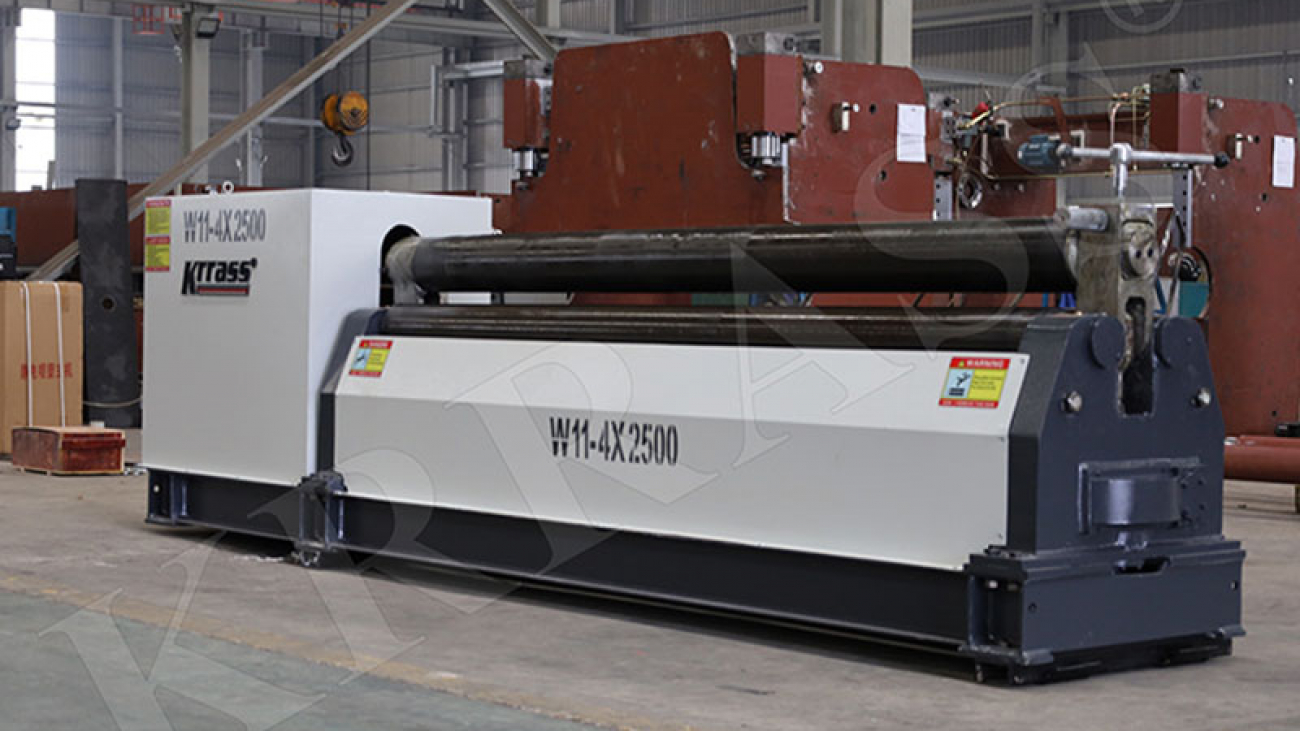
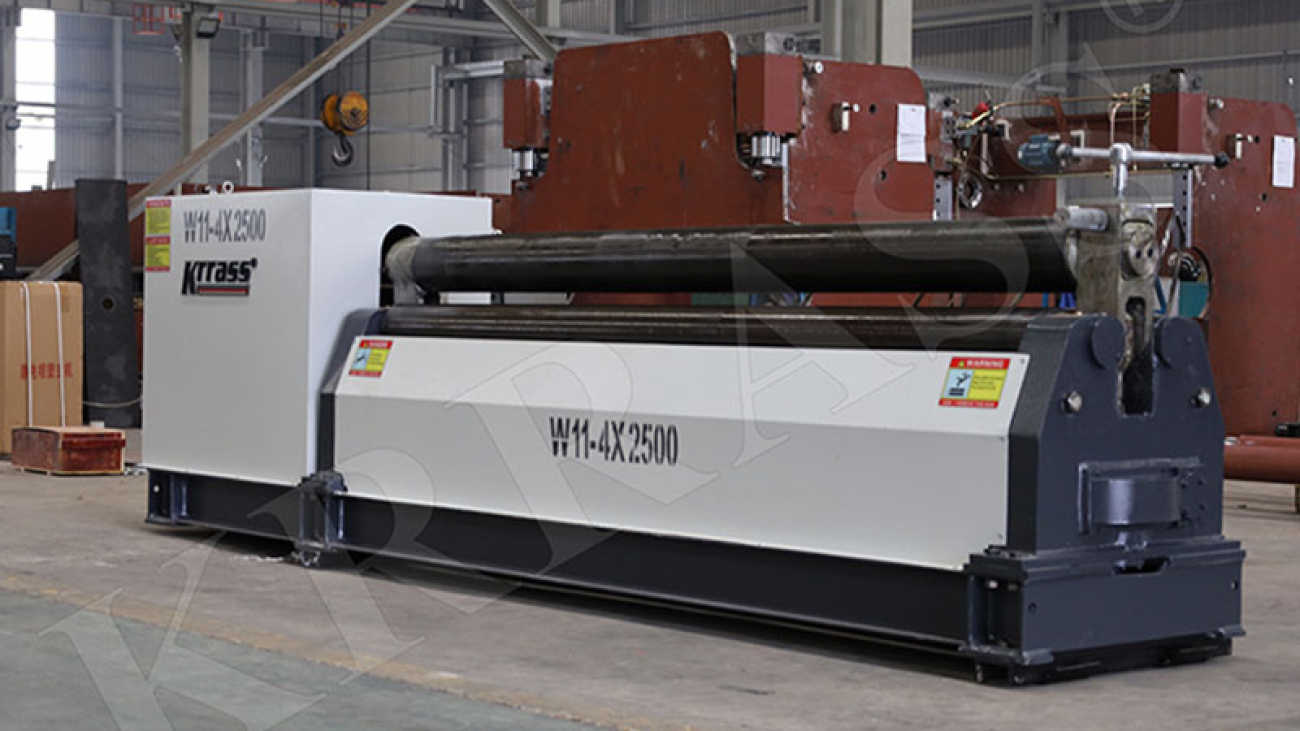
8mm sheet metalrolling machine for sale

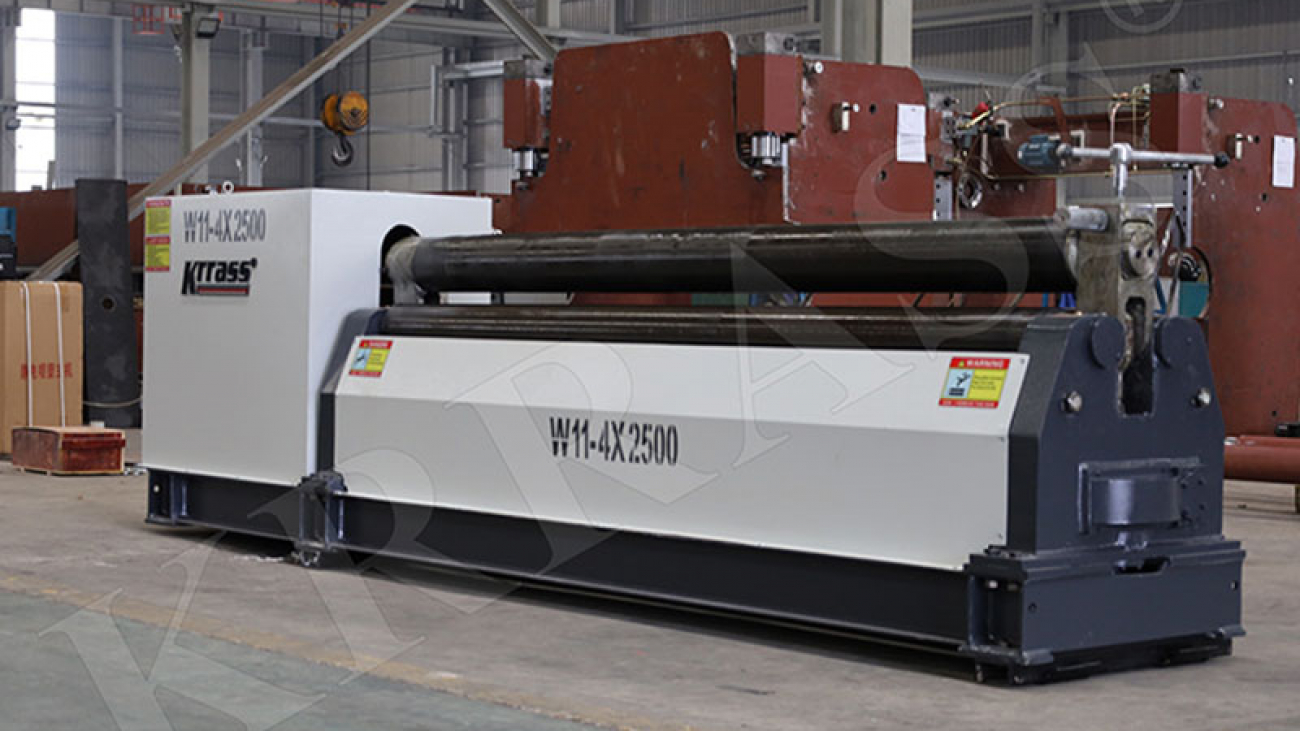
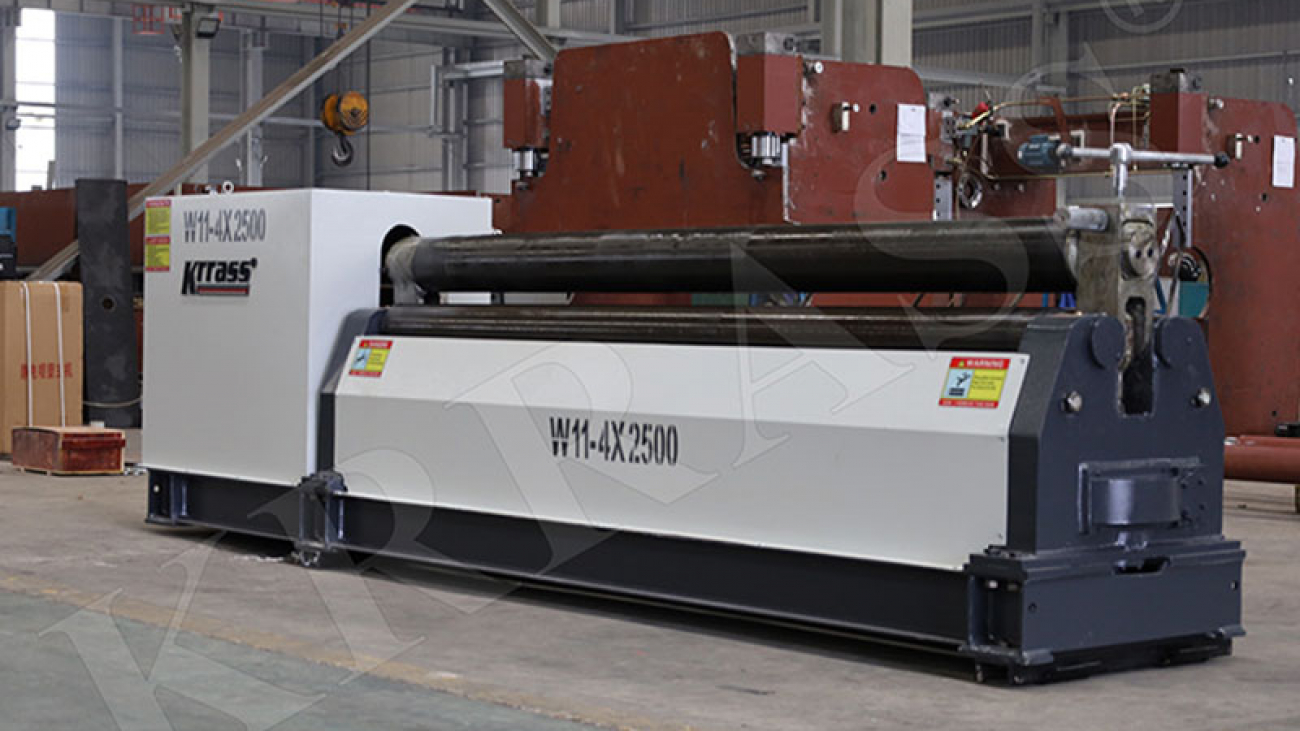
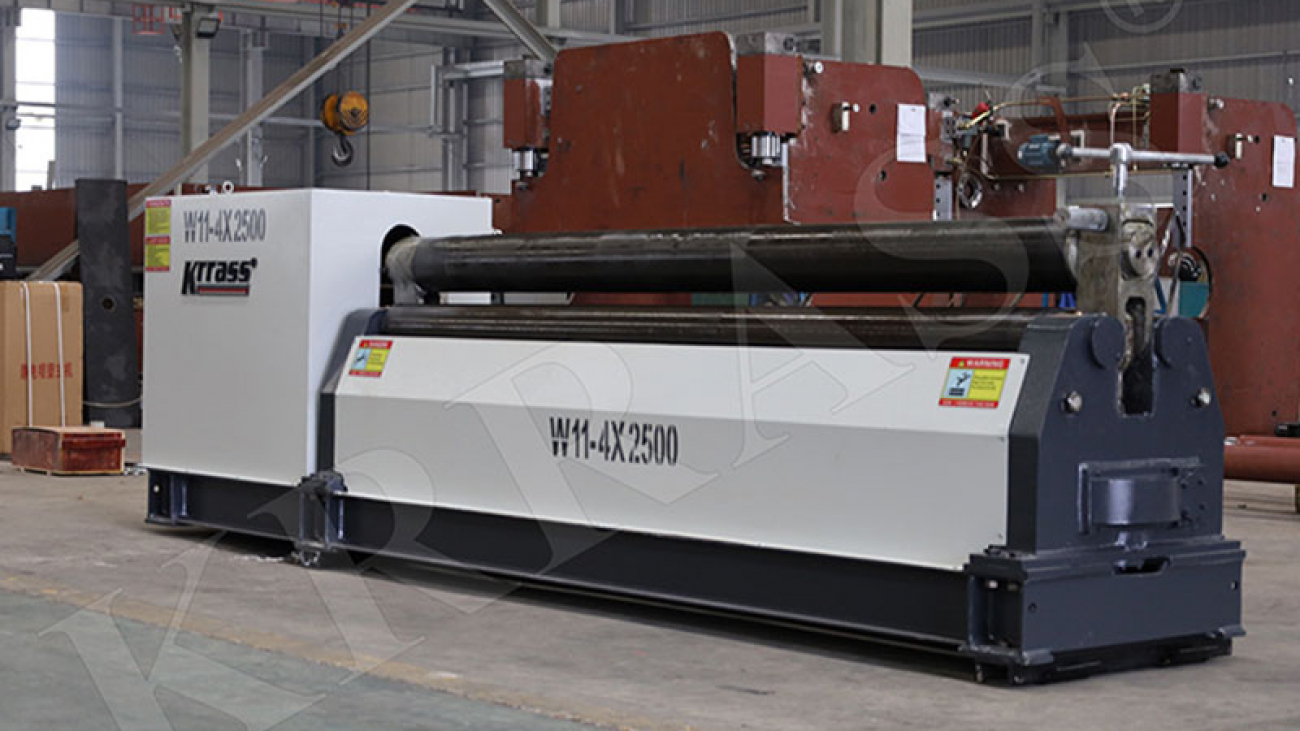
8mm thickness Sheet metal rolling machine for sale,3 meter Sheet metal roller

8mm thickness Sheet metal rolling machine for sale,3 meter Sheet metal roller

Description

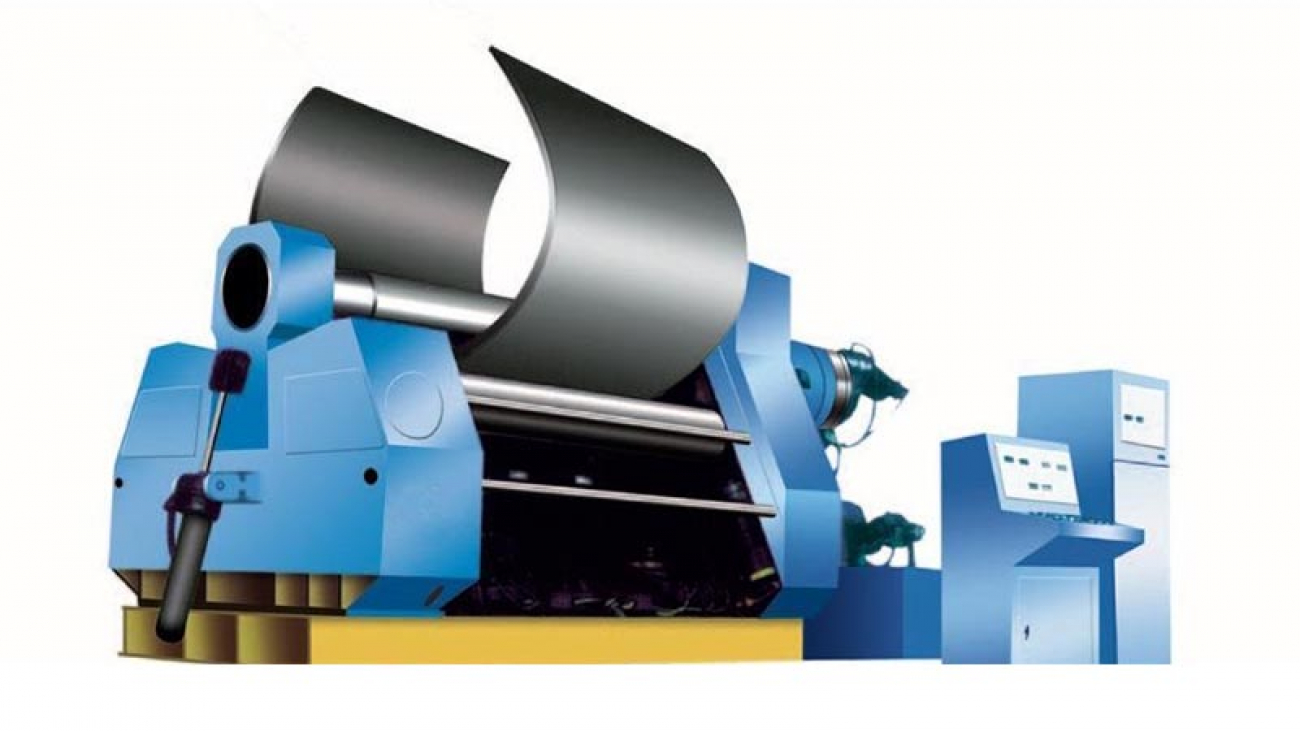
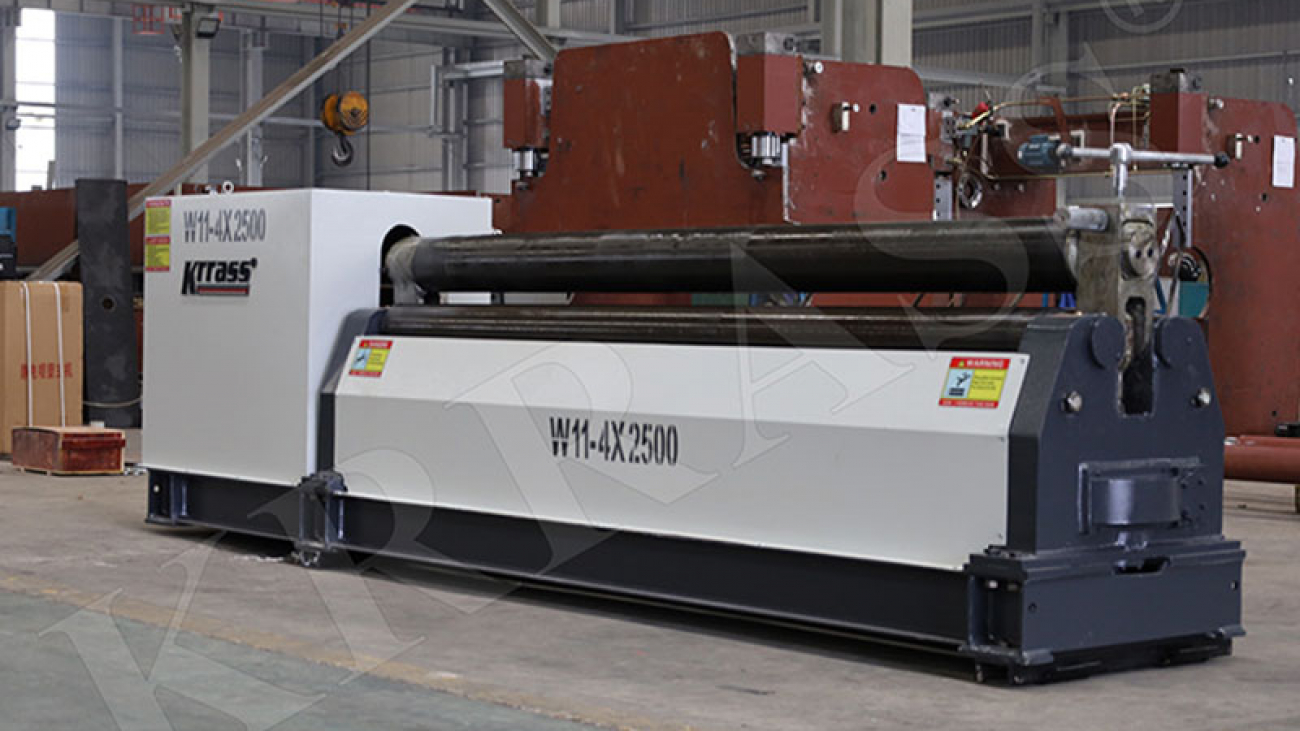
W11 8×3000 sheet metal rolling machine is three-roller symmetrical structure; the upper roller is driven by the lead screw and the worm gear to move in the vertical direction at the center symmetrical position between the lower two rollers. As the main driving roller for rotating motion, the two lower rollers mesh with the output gear of the reducer to provide torque for the rolling plate. The machine has a compact structure and is easy to operate and maintain; in addition, the roller is also suitable for installing profile molds to facilitate rolling of various profiles.


Features

1.European standard design

2.Three-roller symmetric structure, compact, easy operation and maintenance

3.Easy-to-use removable console

4.Two sets of digital output for easy positioning of two lower rollers

5.SAE 1050 quality certificate


Standard configuration

●Easy-to-use removable console

●The upper roller is electrically depressed through the console

●Suitable for thin and heavy plate, aluminum or stainless steel sheet rolling

●Ferrules in full circle or varying radiuses can be done easily

●Overload protection

●Two sets of digital output for easy positioning of two lower rollers

●Extended roller shafts for profile and pipe rolling operation


Safety standard

●Safety standards (2006/42 / EC)

●Open the electrical cabinet door to power off

●Domestic pedal switch ( safety grade 4 )

●Body metal safety rail conforms to CE standards

●Safety relay monitors the pedal switch, safety protection

Technical parameters

NoNameConfiguration ParameterW11-8/3000
1Max Plate Thickness<450N/mm2mm8
<700N/mm2mm5
2Max Plate Length ( A ) mm 1500(A)mm3000
3Loaded with minimum volume
plate diameter
mm550
4Yield LimitN/mm2245
5rolling speedm/min4.5
6Upper Roller Diametermm240
7Lower Roller Diametermm180
8Lower Roller Center Distancemm280
9Main Motor Powerkw7.5
10Length(A)mm5100
11Width(B)mm950
12Length(H)mm1250
13WeightKG4300
8mm plate rolling machine for sale

8mm thickness Plate rolling machine for sale,2 meter Sheet metal roller

8mm thickness Plate rolling machine for sale,2 meter Sheet metal roller

Description

W11 8×2000 plate rolling machine is three-roller symmetrical structure; the upper roller is driven by the lead screw and the worm gear to move in the vertical direction at the center symmetrical position between the lower two rollers. As the main driving roller for rotating motion, the two lower rollers mesh with the output gear of the reducer to provide torque for the rolling plate. The machine has a compact structure and is easy to operate and maintain; in addition, the roller is also suitable for installing profile molds to facilitate rolling of various profiles.


Features

1.European standard design

2.Three-roller symmetric structure, compact, easy operation and maintenance

3.Easy-to-use removable console

4.Two sets of digital output for easy positioning of two lower rollers

5.SAE 1050 quality certificate


Standard configuration

●Easy-to-use removable console

●The upper roller is electrically depressed through the console

●Suitable for thin and heavy plate, aluminum or stainless steel sheet rolling

●Ferrules in full circle or varying radiuses can be done easily

●Overload protection

●Two sets of digital output for easy positioning of two lower rollers

●Extended roller shafts for profile and pipe rolling operation


Safety standard

●Safety standards (2006/42 / EC)

●Open the electrical cabinet door to power off

●Domestic pedal switch ( safety grade 4 )

●Body metal safety rail conforms to CE standards

●Safety relay monitors the pedal switch, safety protection

Technical parameters

NoNameConfiguration ParameterW11-8/1500
1Max Plate Thickness<450N/mm2mm8
<700N/mm2mm5
2Max Plate Length ( A ) mm 1500(A)mm2000
3Loaded with minimum volume
plate diameter
mm400
4Yield LimitN/mm2245
5rolling speedm/min4.5
6Upper Roller Diametermm180
7Lower Roller Diametermm170
8Lower Roller Center Distancemm250
9Main Motor Powerkw5.5
10Length(A)mm3500
11Width(B)mm850
12Length(H)mm1150
13WeightKG2500


8mm plate rolling machine

8mm thickness Plate rolling machine for sale,1.5 meter Plate roller

8mm thickness Plate rolling machine for sale,1.5 meter Plate roller

Description

W11 8×1500 plate rolling machine is three-roller symmetrical structure; the upper roller is driven by the lead screw and the worm gear to move in the vertical direction at the center symmetrical position between the lower two rollers. As the main driving roller for rotating motion, the two lower rollers mesh with the output gear of the reducer to provide torque for the rolling plate. The machine has a compact structure and is easy to operate and maintain; in addition, the roller is also suitable for installing profile molds to facilitate rolling of various profiles.


Features

1.European standard design

2.Three-roller symmetric structure, compact, easy operation and maintenance

3.Easy-to-use removable console

4.Two sets of digital output for easy positioning of two lower rollers

5.SAE 1050 quality certificate


Standard configuration

●Easy-to-use removable console

●The upper roller is electrically depressed through the console

●Suitable for thin and heavy plate, aluminum or stainless steel sheet rolling

●Ferrules in full circle or varying radiuses can be done easily

●Overload protection

●Two sets of digital output for easy positioning of two lower rollers

●Extended roller shafts for profile and pipe rolling operation


Safety standard

●Safety standards (2006/42 / EC)

●Open the electrical cabinet door to power off

●Domestic pedal switch ( safety grade 4 )

●Body metal safety rail conforms to CE standards

●Safety relay monitors the pedal switch, safety protection

Technical parameters

NoNameConfiguration ParameterW11-8/1500
1Max Plate Thickness<450N/mm2mm8
<700N/mm2mm5
2Max Plate Length ( A ) mm 1500(A)mm1500
3Loaded with minimum volume
plate diameter
mm380
4Yield LimitN/mm2245
5rolling speedm/min5
6Upper Roller Diametermm170
7Lower Roller Diametermm160
8Lower Roller Center Distancemm220
9Main Motor Powerkw5.5
10Length(A)mm3050
11Width(B)mm900
12Length(H)mm1150
13WeightKG2400


what is a hydraulic ironworker machine

What is a hydraulic ironworker machine

What is a hydraulic ironworker machine

Description

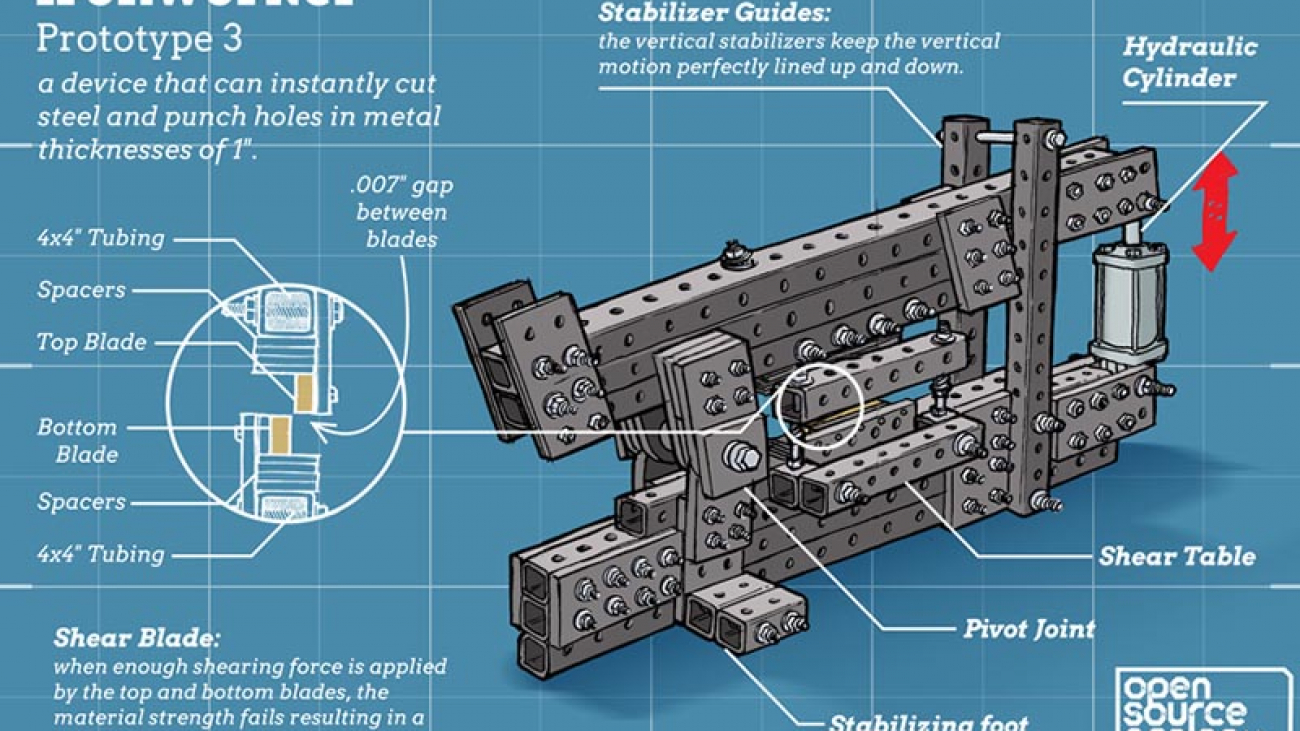
The hydaulic ironworker machine is a kind of machine tool equipment that integrates multiple functions such as metal cutting, punching, shearing, bending, etc. It has the advantages of simple operation, low energy consumption, and low maintenance cost. It is a modern manufacturing industry (such as: Metallurgy, bridges, communications, electric power, military and other industries) metal processing equipment of choice. Ironworker Machines are divided into hydraulic Ironworker Machines and mechanical Ironworker Machines, of which hydraulic type is the most widely used. The Hydraulic Ironworker Machine is generally suitable for processing small workpieces, and can work in multiple stations at the same time. The left foot switch individually controls the punching station, and the right foot switch controls the operation of other jobs at the same time.

Feature

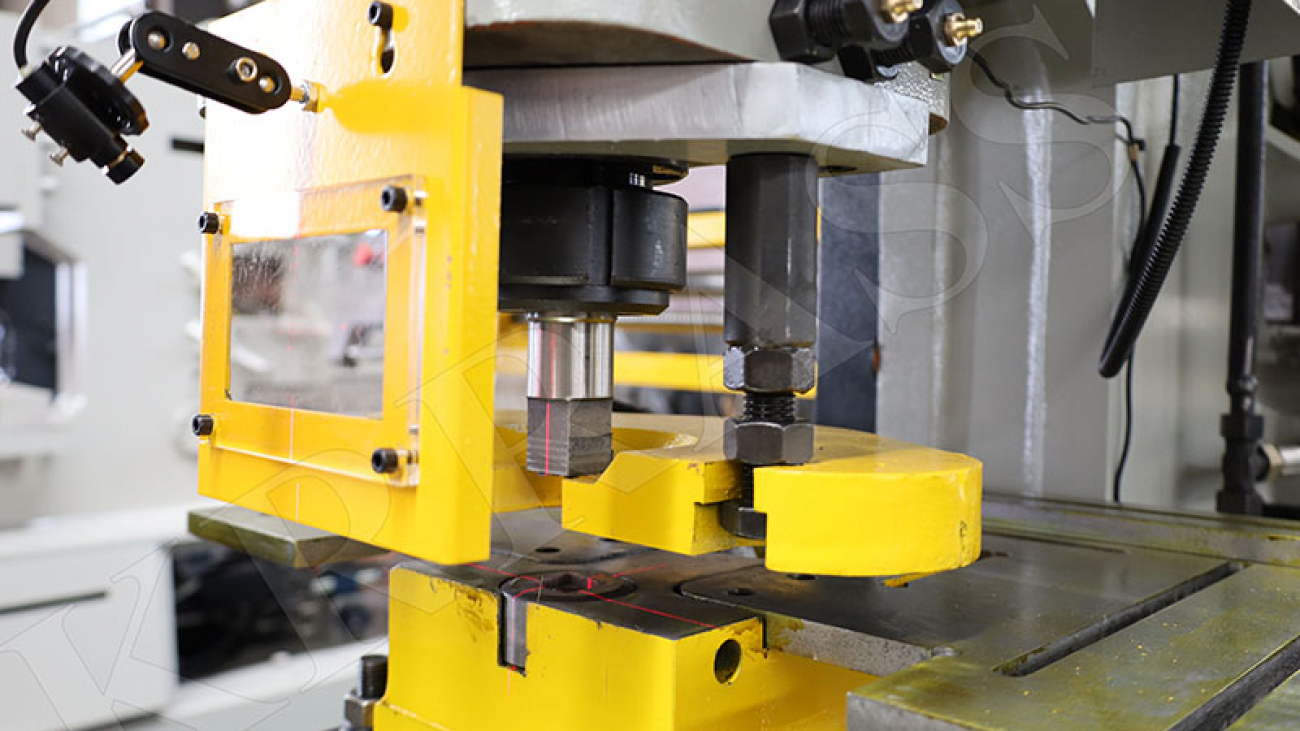
The punching function is located at the left station of the Hydraulic Ironworker Machine and is controlled by the left foot switch. By changing different upper and lower molds, holes of different sizes and shapes can be punched. Each set of die has a certain life time, and the die needs to be replaced after the service life is exceeded. If the punching and shearing machine model is Q35Y-20, 20 is the maximum shearing thickness of 20mm.

The Hydraulic Ironworker Machine is widely used in:

1. Steel structure processing

2. Elevator and parts processing

3. Trailer—spare tire parts, trailer hinges, hooks, inserts, and wall plates

4. Construction machinery industry-processing on belt conveyors and mixing stations

5. Agriculture and animal husbandry machinery industry-threshing frame body, trailer body parts processing

6. Food industry machinery-slaughter equipment frame and parts processing

7. High and low voltage tower parts processing

8. Wind power equipment-parts processing on the stairs and pedals on the wind power tower

9. Machining-processing of building embedded parts, conveyor brackets and other parts that play a role in connection

10. Grain machinery-grain and oil equipment, starch equipment support, shell, small parts processing

11. Processing of railway wagons, automobiles and crane parts 12. Channel steel, square steel, round steel, H steel, I-beam and other steel materials cutting, punching, bending.

Operations

Before starting the machine, check whether the transmission parts of the punching and shearing machine and the connecting screws and pins are loose. Whether the electrical grounding is intact. 2. Lubricate the various parts before work, and start the trial run for two to three minutes before starting work without any problems. 3. Overload is not allowed, and punching and shearing of quenched steel is strictly prohibited. 4. Wear gloves and labor protection equipment when working. Sandals and slippers are strictly prohibited. 5. When punching and cutting, always add oil to the punch to prevent the upper and lower punch from skewing. 6. Pay attention to the safety of your }ngers when feeding the material, especially when the sheet material is not pressed by the presser foot at the end, punching is prohibited. 7. It is strictly forbidden to disassemble and proofread the cutting edge and punching die when starting up. Don’t hit punches, shears and other parts with force. 8. Strictly control the speci}cation range of the sheet material, and it is strictly forbidden to punch and cut when it exceeds. 9. The workplace must not accumulate other objects and a large amount of ~ushing materials, and must stop during adjustment and cleaning. 10. After the work is completed, shut down and cut off power in time to clean up the site.

Maintenance

1. Operate strictly in accordance with the operating procedures. 2. Add lubricating oil according to the requirements of the lubrication chart every time before starting up. The oil should be clean and free of precipitation. 3. The shearing machine must be kept clean frequently, and the unpainted part must be rust-proof grease. 4. The lubricating oil in the motor bearing should be replaced and re}lled regularly, and the electrical part should be regularly checked for normal, safe and reliable operation. 5. Frequently check whether the V-belt, handle, knob and button of the shearing machine are damaged. If they are severely worn, they should be replaced in time, and the spare parts should be reported for supplement. 6. Regularly check and repair switches, insurances, and handles to ensure reliable operation. 7. 10 minutes before the end of the day, lubricate and scrub the machine tool.

plate rolling machine

How to choose the right plate rolling machine for your needs

How to choose the right plate rolling machine for your needs


Although it is one of the most complicated fabrication processes, plate rolling is essential if you want to provide your customers with more bending options. However, unlike a press brake, which delivers a single bend in one direction of inertia, a plate rolling machine features multiple forces and different courses when the plate rolling process is taking place.

Plate rolling is an art, which needs an experienced operator who understands how to control all the intricacies of this sophisticated piece of equipment and the reaction the material he is working with will have. But besides having a skilled operator, it is also crucial that you match the right machinery to a particular job. This article provides some insightful tips on how to select the best plate roll for your plate rolling project.

For you to know which plate roller best fits your projects, you need to answer these questions:

Which types of materials will you be working with?

The first thing you need to do before you start searching for the best plate roll bender is to determine the type of materials you will be using in your project. Here, you’ll have to consider things such as thickness, width, diameter, strength and yield. These elements determine the amount of pressure you’ll need and the max and min diameter and width of the plate roller you’ll use.

What’s the minimum diameter?

Taking the thickest material you will be working and the minimum diameter you will be rolling that material down to will help determine the plate roll size. Plate rolls generally use the 1.5 rule, meaning that a diameter rolled can be no less than 1.5X the top roll diameter. Knowing the minimum diameter you need along with the yield strength of the material is critical in selecting the right plate roll.

Are you rolling only round objects or are you rolling out-of-round?

Any plate roll can produce the required round cylinders but when special shapes are required it takes a machine equipped with a CNC control to manipulate the rolls position in conjunction with the desired speed that the rolls are turning. Whether you’re rolling ovals such as fuel tanker trailer skins or some oyster non-round shape a CNC control will take all the guesswork out of roll speed and roll positions.

How large a diameter are you producing?

The larger the diameter rolled the more the need for additional supports around the plate roll. Most manufacturer’s offer side supports as an option to support the sheet being fed into the rolling process. However your application may also call for an overhead support if a large radius is required and the rolled sheet is being sent high into the air. The combination of side and overhead supports can assist in supporting the sheet during the process and avoid any back bending caused by the unsupported weight of the material itself.

How much are You producing?

For you to get the best plate roller machine, you need to know the quantity of your output. This will help you determine the type of plate roll machine that will resonate with these needs. The three and four roll machines are considered to be the best for massive projects, but they boast distinct operational complexity, accuracy levels, and features. You’ll have to choose whether you’ll prefer the three roll machines that are known for their versatility and affordability, or the four roll machines, which are swift, accurate, and precise.

ironwoker machine principle

Hydraulic ironworker evolution history

Hydraulic ironworker evolution history


The hydraulic ironworker was originally invented in 1949, but it never really entered the scene until 50 years ago when the patent was acquired and manufacturing of these metal fabricating machines in the U.S. began. Many of the earliest models are still operational on shop floors and in maintenance departments today.

For example, the first model produced by Scotchman was the 314, and we continue to get calls for replacement parts for that model. The original design was a hydraulic system, but it was powered only in one direction. It had a spring return. When the punch was engaged, the ram went down, and the spring pulled it back up. That coil spring was similar to one found in a ’57 Chevy at the time.

Fifty years later, we continue to sell dozens of those springs per month. So we buy the spring, compress it, and weld a frame around it for delivery to the customer. When the fabricator gets it, he drops it into the ironworker and cuts the frame to expose the compressed spring. That old hydraulic ironworker is ready for more work.

That’s no surprise. It’s a testament to how those ironworkers were made.

Mechanical ironworkers also were made to be long-lived. Unfortunately, they were very large, and while they still were somewhat functional, they ultimately found their way to the scrap heap to make way for more modern equipment.

Older hydraulic equipment didn’t stand out as much because it was smaller than the mechanical counterparts in many instances, yet it was able to deliver similar, if not more, force. As a result, these tools remained in use and avoided a second life as a boat anchor.

Hydraulic ironworkers may still look similar to those early models made a half-century ago, but they have evolved in several ways. It’s one of the reasons that companies keep placing orders for them and finding new ways to put them to use in manufacturing and maintenance settings.

Safety First and Always

In the late 1960s, when hydraulic ironworkers appeared on the scene, much larger mechanical models dominated the shop floor. Those mechanical ironworkers had huge flywheels that, when triggered, brought down the ram in a powerful and dramatic way. However, once it was triggered, nothing was going to stop it. It was going to come down and then go back up.

Those early hydraulic ironworkers could deliver similar force, but didn’t require all of the weight that the mechanical ironworkers did. However, you still had to respect the tonnage and power of the machine, even if it were smaller.

Modern hydraulic ironworkers have complete control of the entire stroke—both up and down. An emergency stop results in a halting of the fabricating or shearing action—unlike those older mechanical ironworkers, for which it was all about tripping the flywheel and staying out of the way.

A lot of this has to do with electric controls that govern the stroke. These controls have quicker cycle times and greater authority over the stroke than mechanical linkage stroke controls. Electric stroke controls use switches that send signals to the control valve almost instantly.

Also, the guarding standards for today’s ironworkers make it very difficult for an operator to expose his or her extremities at a pinch point of a properly designed ironworker. ANSI B11.5 standards provide the guidelines for guarding on an ironworker: It should be designed to allow material access to the machine, but prevent any part of the body from getting between the material being punched, sheared, or notched and the stripping mechanism.

Many More Options

Those first hydraulic ironworkers are just like the ironworkers of today: multifunctional machines (see Figure 3). In fact, the first models had a 35-ton punch, 3-in. angle shear, and a 7-in. flat bar shear. Those same punching and shearing functions, albeit in greater tonnages now, are still pretty much available on any ironworker made in the world today.

Those higher tonnages do make a big difference. It’s not unusual to see a 150-ton ironworker punching a hole in 1.25-in. steel plate. High-powered ironworkers also can shear 1-in. plate like it was butter.

Early on, these multifunctional devices demonstrated increased flexibility with the introduction of component systems that could be added to the original equipment. For instance, a basic ironworker could have had a simple channel shear station, but that later could have been switched out for another function such as press brake bending, tube shearing, or pipe notching. These types of components are designed to be quickly changed over to keep up with the high-mix work load often found in job shops and maintenance departments.

Following a European trend, hydraulic ironworkers emerged that had these additional functions fully integrated. Fabricators didn’t have to worry about switching out components. They could have the punch, flat bar shear, rod shear, rectangle notcher, and angle shear all built into one machine. Depending on the ironworker model, a fabricator also could see one of the functions replaced with a redundant function, such as another punch, or with something different, such as a press brake or pipe notcher.

Fabricators, of course, have always been interested in cost savings, so that led to the creation of dual-operator models. Originally, the ironworkers’ hydraulic system supplied power to only one function at a time. Down the line, manufacturers engineered the hydraulic systems to allow for two functions to operate at the same time, allowing a fabricator to purchase one machine, instead of two, and double productivity compared to a one-function-at-a-time ironworker.

Over the past several years, fabricators also have seen the addition of programmable stop systems applied to ironworkers (see Figure 4). More commonly used on saws, these belt-driven, computer-controlled systems move material to specific lengths in between fabricating activities on the ironworker. For example, such a system can be programmed to punch 10 holes in a 10-ft. part, and once the locations are programmed into the controller, the machine completes the job without operator interference. This eliminates the need for the operator to mark the individual holes and move the part himself in between punches, making for a more efficient punching process.

This sort of automation really stands out when the hole locations do not follow a distinct pattern. With variation comes an increased chance of rework if a human is involved. Computer-controlled punching jobs boost the quality level of these types of parts.

The Ironworker’s Future

What does the future hold for this venerable piece of equipment? The hydraulic-powered ironworker’s versatility has enabled it to remain a viable tool even as manufacturing in the U.S. has moved from high-volume production to more high-mix, low-volume scenarios. If ironworkers can remain relevant after that type of shift, that bodes well for the tool’s future.

All you have to do is look at where ironworkers are used. They remain the only fabricating machine tool that can be found in the third story of New York’s Metropolitan Opera House, where they build set pieces, and also in the maintenance shops of the world’s largest automotive manufacturers. They have evolved to meet the fabricating needs of modern manufacturers, no matter where they might be or what they might do, and that likely will be the story 50 years from now as well.


hydraulic ironworkers

Hydraulic ironworkers Five benefits in fabrication work

Hydraulic ironworkers Five benefits in fabrication work


Hydraulic Ironworkers are a valuable tool in any Fabrication shop. They are an easy- to- use machine that tackles a number of different tasks. These three-in-one machines combine the functions of punching, notching and shearing. They vary in size and capacity, and are available as single or dual operator systems. Their convenience, ease of use and function has made them a staple in many fabrication environments.Ironworkers are built to handle jobs that fabricators and manufacturers regularly face. They are three-in-one machines that work as shearing, notching, and punching.

5 benefits of hydraulic ironworker machine

1. Time Saving

By having the ability to perform multiple processes on one machine, ironworkers save time, increasing efficiency. Instead of using a different machine for each function, with an Ironworker an operator can continue doing multiple processes in the same location. Ironworkers also can come with multiple tooling options that can be quickly changed, resulting in time saved.

2. Space Saving

Ironworkers combine the functions of three machines in one; Punching, shearing and notching. Instead of having three machines for three specific tasks, iron workers allow you to complete all these processes in one location. Having one machine instead of three creates valuable space in a fabrication shop.

3. Waste Reducing

An ironworker will allow the operator to get closer to the work whether it is punching, shearing, notching or a forming job, thereby improving the precision and the quality of the work. Unlike traditional punching, notching, and shearing techniques which yield a lot more waste, an ironworker can reduce this problem.

4. Safety First

Ironworkers offer a safer operation then some of the machines they replace. Most Ironworkers today come with some guarding around them to prevent accidents.

5. Cost Saving

Ironworkers are a cost saving alternative to other machines for a host of reasons. It is less expensive to purchase one Ironworker Machine then it is to purchase the three machines it is replacing. Ironworkers can also save money as a result of their smaller space requirement, faster operation speeds and waste saving benefits.

The benefits of Ironworker make them ideal for both smaller shops with fewer workers as well as for busy shops that need every productivity advantage they can get. For fabricating operations of all sizes, an ironworker machine can be a valuable asset that yields both short and long term benefits.

6mm thickness plate rolling machine

6mm thickness Plate rolling machine,3 meter Plate bending machine

6mm thickness Plate rolling machine ,3 meter Plate bending machine

Description

W11 6×3000 plate rolling machine is three-roller symmetrical structure; the upper roller is driven by the lead screw and the worm gear to move in the vertical direction at the center symmetrical position between the lower two rollers. As the main driving roller for rotating motion, the two lower rollers mesh with the output gear of the reducer to provide torque for the rolling plate. The machine has a compact structure and is easy to operate and maintain; in addition, the roller is also suitable for installing profile molds to facilitate rolling of various profiles.

Features

1.European standard design

2.Three-roller symmetric structure, compact, easy operation and maintenance

3.Easy-to-use removable console

4.Two sets of digital output for easy positioning of two lower rollers

5.SAE 1050 quality certificate


Standard configuration

●Easy-to-use removable console

●The upper roller is electrically depressed through the console

●Suitable for thin and heavy plate, aluminum or stainless steel sheet rolling

●Ferrules in full circle or varying radiuses can be done easily

●Overload protection

●Two sets of digital output for easy positioning of two lower rollers

●Extended roller shafts for profile and pipe rolling operation


Safety standard

●Safety standards (2006/42 / EC)

●Open the electrical cabinet door to power off

●Domestic pedal switch ( safety grade 4 )

●Body metal safety rail conforms to CE standards

●Safety relay monitors the pedal switch, safety protection


Technical parameters

NameConfiguration ParameterW11-6/1500
Max Plate Thickness<450N/mm2mm6
<700N/mm2mm4
Max Plate Length ( A ) mm 2500(A)mm1500
Loaded with minimum volume plate diametermm380
Yield LimitN/mm2245
Rolling Speedm/min5
Upper Roller Diametermm160
Lower Roller Diametermm150
Lower Roller Center Distancemm220
Main Motor PowerKw4
Length(A)mm3050
Width(B)mm750
Length(H)mm1200
WeightKg2200
6mm thickness plate bending machine

6mm thickness Plate bending machine ,2 meter sheet metal bending machine

6mm thickness Plate bending machine ,2 meter sheet metal bending machine


Features

1.European standard design

2.Three-roller symmetric structure, compact, easy operation and maintenance

3.Easy-to-use removable console

4.Two sets of digital output for easy positioning of two lower rollers

5.SAE 1050 quality certificate


Standard configuration

●Easy-to-use removable console

●The upper roller is electrically depressed through the console

●Suitable for thin and heavy plate, aluminum or stainless steel sheet rolling

●Ferrules in full circle or varying radiuses can be done easily

●Overload protection

●Two sets of digital output for easy positioning of two lower rollers

●Extended roller shafts for profile and pipe rolling operation


Safety standard

●Safety standards (2006/42 / EC)

●Open the electrical cabinet door to power off

●Domestic pedal switch ( safety grade 4 )

●Body metal safety rail conforms to CE standards

●Safety relay monitors the pedal switch, safety protection


Technical parameters

NameConfiguration ParameterW11-6/1500
Max Plate Thickness<450N/mm2mm6
<700N/mm2mm4
Max Plate Length ( A ) mm 2500(A)mm1500
Loaded with minimum volume plate diametermm380
Yield LimitN/mm2245
Rolling Speedm/min5
Upper Roller Diametermm160
Lower Roller Diametermm150
Lower Roller Center Distancemm220
Main Motor PowerKw4
Length(A)mm3050
Width(B)mm750
Length(H)mm1200
WeightKg2200
6mm thickness plate rolling machine

6mm thickness Plate rolling machine ,1.5 meter Plate bending machine

6mm thickness Plate rolling machine ,1.5 meter Plate bending machine


Features

1.European standard design

2.Three-roller symmetric structure, compact, easy operation and maintenance

3.Easy-to-use removable console

4.Two sets of digital output for easy positioning of two lower rollers

5.SAE 1050 quality certificate


Standard configuration

●Easy-to-use removable console

●The upper roller is electrically depressed through the console

●Suitable for thin and heavy plate, aluminum or stainless steel sheet rolling

●Ferrules in full circle or varying radiuses can be done easily

●Overload protection

●Two sets of digital output for easy positioning of two lower rollers

●Extended roller shafts for profile and pipe rolling operation


Safety standard

●Safety standards (2006/42 / EC)

●Open the electrical cabinet door to power off

●Domestic pedal switch ( safety grade 4 )

●Body metal safety rail conforms to CE standards

●Safety relay monitors the pedal switch, safety protection


Technical parameters

NameConfiguration ParameterW11-6/1500
Max Plate Thickness<450N/mm2mm6
<700N/mm2mm4
Max Plate Length ( A ) mm 2500(A)mm1500
Loaded with minimum volume plate diametermm380
Yield LimitN/mm2245
Rolling Speedm/min5
Upper Roller Diametermm160
Lower Roller Diametermm150
Lower Roller Center Distancemm220
Main Motor PowerKw4
Length(A)mm3050
Width(B)mm750
Length(H)mm1200
WeightKg2200